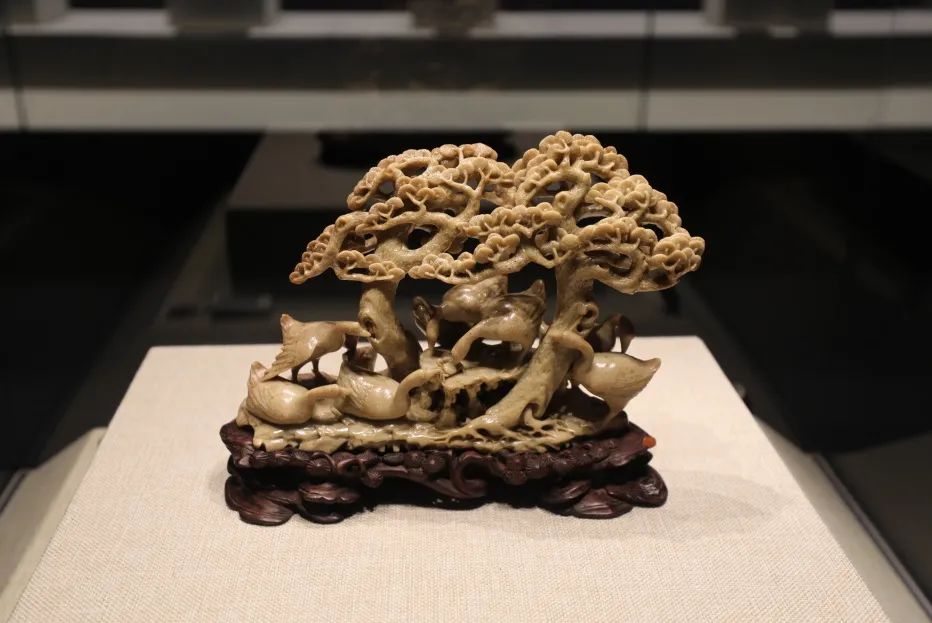
Stone Carving
Introduction
Stone carving art is a form of expression that dates back to ancient civilizations, serving as a narrative tool to document history and culture. This art form involves chiseling or engraving designs into stone surfaces, creating intricate and often symbolic works that have stood the test of time. Stone carvings can be found adorning temples, monuments and even everyday objects, reflecting the technological, artistic and cultural achievements of the societies that created them.
Historical Background
Stone carving art has roots in numerous ancient civilizations, each contributing unique styles and techniques. In China, stone carving has been practiced since ancient times, with notable examples from the Tang Dynasty (618-907) and the Song Dynasty (960-1279). The Dazu Rock Carvings in Chongqing, a UNESCO World Heritage Site, are prime examples of Chinese stone carving art, showcasing intricate religious and secular themes. These carvings illustrate the fusion of Buddhism, Confucianism and Taoism, highlighting the cultural and spiritual confluence of the time.
Similarly, in Western cultures, stone carving played a pivotal role in architecture and sculpture. The Greeks and Romans used stone extensively in their temples and public buildings, leaving behind a legacy of classical art that continues to influence modern aesthetics.
Techniques and Materials
The process of stone carving requires skill and precision, involving various tools such as chisels, hammers and drills. Carvers choose stones based on their hardness, durability and color. Commonly used stones include marble, granite, limestone and sandstone. Each type of stone offers different challenges and possibilities for the artist. For example, marble is prized for its fine grain and translucence, making it ideal for detailed work, while granite's hardness allows for monumental sculpture.
Carvers often begin with a roughing-out phase, removing large chunks of material to outline the basic shape. This is followed by more detailed work, where finer tools are used to add intricate details and polish the surface. Traditional techniques are still practiced in many regions, although modern technology has introduced advanced tools and methods, facilitating more intricate designs and reducing the time required for completion.
Cultural Significance
Stone carving art has served multiple roles throughout history, from religious devotion and commemoration to aesthetic expression and socio-political commentary. In many cultures, stone carvings have been used in religious contexts, adorning temples and shrines with depictions of deities and spiritual narratives. These carvings often serve as visual scripture, conveying complex theological concepts and historical events to an illiterate audience.
Beyond the religious sphere, stone carvings have also been used to commemorate significant individuals and events. Tombstones and memorials often feature intricate carvings that narrate the lives and achievements of the deceased, offering insights into the values and beliefs of the society.
In contemporary times, stone carving art continues to be a valuable cultural artifact, reflecting the historical and artistic heritage of a region. Efforts to preserve and restore ancient carvings are not only about safeguarding art but also about maintaining a tangible connection to the past. Through exhibitions and public displays, stone carvings continue to educate and inspire new generations, fostering appreciation for the skill and creativity of ancient artisans.
Preservation and Challenges
Preserving stone carving art poses several challenges, primarily due to environmental factors and human activity. Weathering, erosion and pollution can significantly impact the integrity of stone carvings, necessitating constant monitoring and restoration efforts.
Human activities such as urban development and tourism also pose risks to stone carving sites. Balancing accessibility with conservation requires careful planning and regulation to ensure that these cultural treasures are not inadvertently harmed.
International collaborations and technological advancements have played a crucial role in the preservation of stone carving art. Institutions across the world are working together to share expertise and resources, employing digital technology and scientific research to develop effective conservation strategies.








